Knowledge Base
Everything You Need to Know About
Growing Zone 1
USDA Growing Zone 1A and 1B: Farming, Equipment, and Transport Solutions
When you farm in the coldest parts of the country, the weather isn't just background noise. Every degree of cold and every day of warmth matters. That’s the reality in USDA Growing Zone 1A and 1B, the coldest bands on the USDA plant hardiness map.
In places like Growing Zone 1A and 1B, you’ve got to plan around short growing seasons, frost dates, and soil temps. You also need specialized tractors, loaders, and tillage tools that can handle the deep cold, delivered before your first workable days arrive.
Tractor Transport helps farmers, ranchers, and research operations move farm equipment in these remote, cold-weather regions with long-distance hauling and full logistics support.

Understanding USDA Zone 1A and 1B
The USDA plant hardiness system divides North America into zones based on average annual minimum temperatures. USDA Zone 1 is at the lowest end of that scale.
- Zone 1A: −60°F to −55°F
- Zone 1B: −55°F to −50°F
These ranges show how cold it gets at winter’s lowest point, and in hardiness zone 1, those lows shape every planting decision you make.
Climate and Growing Conditions
In Growing Zones 1A and 1B, your farm regularly faces:
- Long, dark winters and very short frost-free periods
- Soil that warms slowly in spring
- Freeze–thaw cycles that disturb shallow roots
- Permafrost or near-permafrost conditions in some locations
That short window shapes what you plant and how you plan your season.
Where USDA Zone 1 Appears
On the current USDA map, USDA Zone 1 is found mainly in Alaska's interior and northern regions.
Lower-48 states don’t map as Zone 1 on recent USDA updates, but some locations share similar conditions:
- Northern Maine
- Parts of northern Minnesota
- Higher elevations in New England
You’ll face similar cold-zone conditions in these areas, even if they aren’t mapped as pure Zone 1. And if you’ve ever wondered, “What is my USDA zone?”, the USDA farming zone map is the quickest way to check where your land falls on the scale.
Where Zones 1A and 1B Are Found Across the U.S.
Growing Zone 1A and 1B aren’t common across the U.S. They cluster in places where latitude, altitude, and distance from the ocean push temperatures to extremes.
Alaska Growing Zones
Alaska growing zones run from Zone 1 in the coldest interior regions up to Zone 7 in the warmest coastal pockets. Zone 1A and 1B sit in inland areas where winters are longest and coldest.
Summer days can feel mild, but nights cool quickly, and access to markets often depends on a mix of road, barge, and, sometimes, rail.
- Planning routes that connect ports and main roads to remote staging areas
- Coordinating with local loading points for transfers to smaller trucks or barges
- Scheduling around seasonal road conditions and daylight windows
When you ship a tractor, combine, or sprayer into Alaska’s interior, you need a partner that understands both the long haul from the Lower 48 and the last few miles to your farm.
New England States and Nearby Cold Regions
Most Maine growing zones, Vermont growing zones, and the rest of New England fall between Zones 3 and 5, with some colder spots in Zones 2–3 at higher elevations. In these colder pockets, you need equipment that can handle winter jobs and tight early-spring schedules.
Here’s how conditions look across these growing zones:
- Maine growing zones: If you’re farming in northern or interior Maine, you’ll rely on compact tractors, hay tools, and hardy vegetable equipment that move easily between smaller fields and woodlots.
- Vermont and New Hampshire growing zones: In Vermont or New Hampshire, you work on hilly terrain and mixed livestock operations, so you need tractors that handle both fieldwork and winter snow.
- Massachusetts, Connecticut, and Rhode Island growing zones: In these warmer planting zones, you still have to prep for winter maintenance, early-season fieldwork, and spring mud.
You can count on Tractor Transport to move your compact or full-size tractors, tillage tools, and support equipment throughout the Northeast.
Whether you’re working inland dairy ground, vegetable fields, coastal areas, or selling through an auction yard, we line up the right trailer and schedule to match the conditions you work with.
The Challenges of Farming in Cold Zones
Working in or near Growing Zone 1A and 1B means you fight the calendar from the moment snow starts to melt. If you farm this far north, you deal with a handful of problems that shape your entire season:
- A narrow field window — often only 50–90 workable days
- Soil freeze and frost heave
- Limited crop range
- Heavy reliance on greenhouses, high tunnels, and cold frames
Your equipment has to show up on time so you can take advantage of your short field window.
Common Crops in Zone 1 and Surrounding Regions
In USDA Zone 1, you’ll work with a focused set of cold-tolerant crops, supported by a complete set of season-extension tools.
Typical crop choices in these zones include:
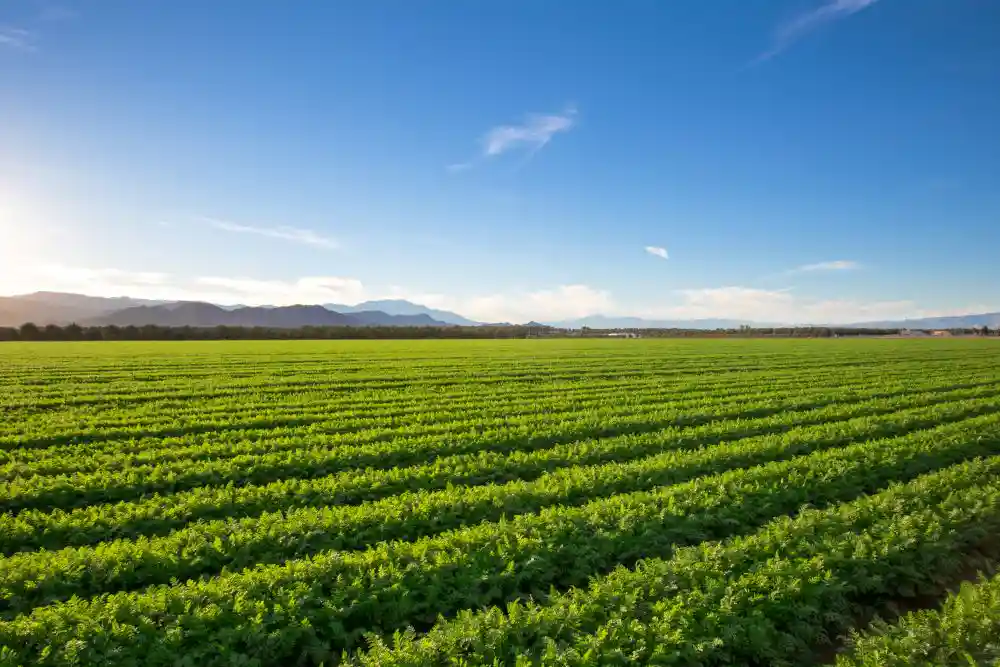
- Root crops: Potatoes, carrots, beets, turnips, parsnips
- Leafy greens: Kale, spinach, lettuce, hardy Asian greens
- Berries: Blueberries and certain native berries
- Cold-hardy grains: Barley, oats, rye, and forage grasses in slightly milder pockets
Zones 2 and 3, just south of Zone 1, support a broader range of hardy vegetables and herbs. In these climates, you may also run livestock, which adds demand for hay tools, loaders, and feeding equipment.
Tractor Transport can move the machinery you rely on — whether you’re running row crops, research plots, berry fields, or a shared co-op setup.
Essential Farm Equipment for Zone 1 Farming
Some of the most common equipment choices in Growing Zone 1A and 1B are:
- Compact and mid-size tractors with heated cabs
- Loaders, blades, and snow blowers
- Cold-start diesel systems with block heaters
- Tillers, seeders, and spreaders
- Mobile greenhouses and hoop houses
Before hauling this equipment in or out of Zone 1, your machines must be prepped for cold travel by protecting water systems, covering hydraulics, checking tires, and properly securing all attachments.

When You’re Ready to Ship,
We’re Ready to Help
We handle every step of your equipment transport safely, efficiently, and on schedule, so you can focus on what matters.
Types of Permits Required for Oversized Farm Equipment Hauling Through Zone 1A and 1B
Many machines fit standard trailer limits, but wider or heavier units fall under oversize rules. When that happens, your haul may require:
- State oversize permits for extra width, height, or length
- Overweight permits for heavy tractors or multi-piece loads.
- Escort or pilot cars on narrow or winding highways.
- Seasonal load restrictions during the spring thaw, when some states and Alaska DOT limit axle weights.
Safety Steps Hauling Farm Equipment Through Snow in Zone 1
Hauling equipment through snow and ice in Zone 1 means you have to think ahead. Your Tractor Transport driver will always start by checking the brakes, lights, tires, chains, and all securement points before loading anything. And, if the route calls for traction devices, they’re ready before the truck ever pulls out.
Once the load is on the trailer, it gets secured with the right chains and straps, and the binders are rechecked after the first few miles. On the road, your driver will keep speeds down, leave plenty of stopping room, and stay alert to changing conditions.
Throughout the trip, our dispatch team keeps an eye on the weather and road conditions. If conditions change, we adjust the timing to make sure your equipment moves safely through the route.
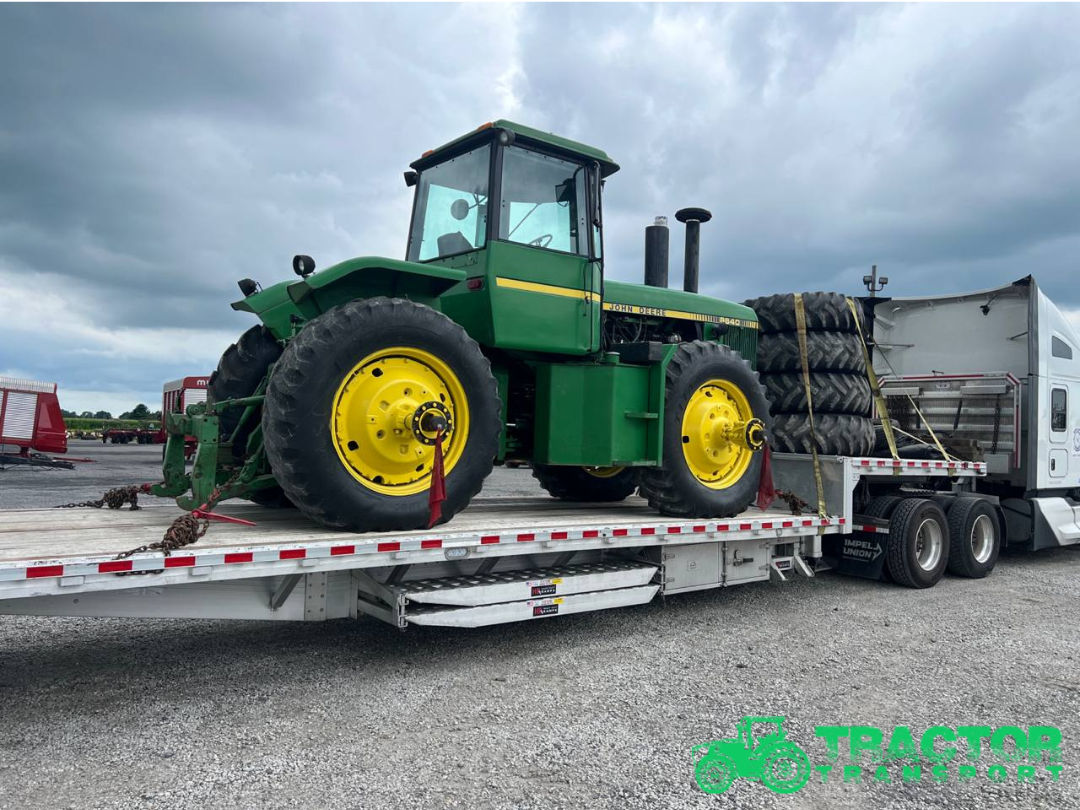

Partnering With Tractor Transport to Haul Your Equipment in USDA Zone 1
If you farm in USDA Zone 1 or nearby cold regions, you already know how much planning each season takes. Moving equipment is part of that. When you partner with Tractor Transport, we will:
- Ship tractors, combines, plows, sprayers, and support machinery nationwide
- Work with remote locations, ferries, and long-distance routes
- Provide communication from dispatch to delivery
- Use licensed, insured carriers experienced with farm and heavy equipment
You'll also work with one specialist who handles your route, permits, trailer selection, and delivery timing. If you’re planning equipment moves in Growing Zone 1A and 1B or nearby cold regions, we’re ready to help. Call Tractor Transport today to review your equipment, route, and the timeline you’re working with.
Frequently Asked Questions
What is USDA Growing Zone 1?
USDA Growing Zone 1 is the coldest on the USDA Plant Hardiness Zone Map. It covers areas where the average annual minimum temperature drops below -50°F, split into Zone 1A (-60°F to -55°F) and Zone 1B (-55°F to -50°F).
Where Are Growing Zones 1A and 1B Located?
Zones 1A and 1B appear mainly in interior and northern Alaska. Zone 2 and cold Zone 3 bands in northern states like Maine and Minnesota face similar challenges but are mapped separately.
What Crops Grow Best in Zone 1?
Cold-tolerant crops such as potatoes, hardy greens, barley, oats, and certain berries.
What Kind of Farm Equipment Is Needed in Zone 1?
Tractors with heated cabs, loaders and plows, cold-start diesel systems, and implements built for short weather windows.
How Do Farmers in Zone 1 Extend Their Growing Season?
They start seedlings indoors or in heated structures, use high tunnels and cold frames, choose early-maturing varieties, and protect soil with mulches and windbreaks.
America’s Trusted Farm Haulers
Safely and reliably hauling farm equipment nationwide since 2009.
POPULAR ARTICLES
USDA Growing Zone 2A and 2B: Farming, Equipment, and Transport Solutions
Everything You Need to Know About Growing Zone 1
What Are 3-Point Quick Hitch Attachments?
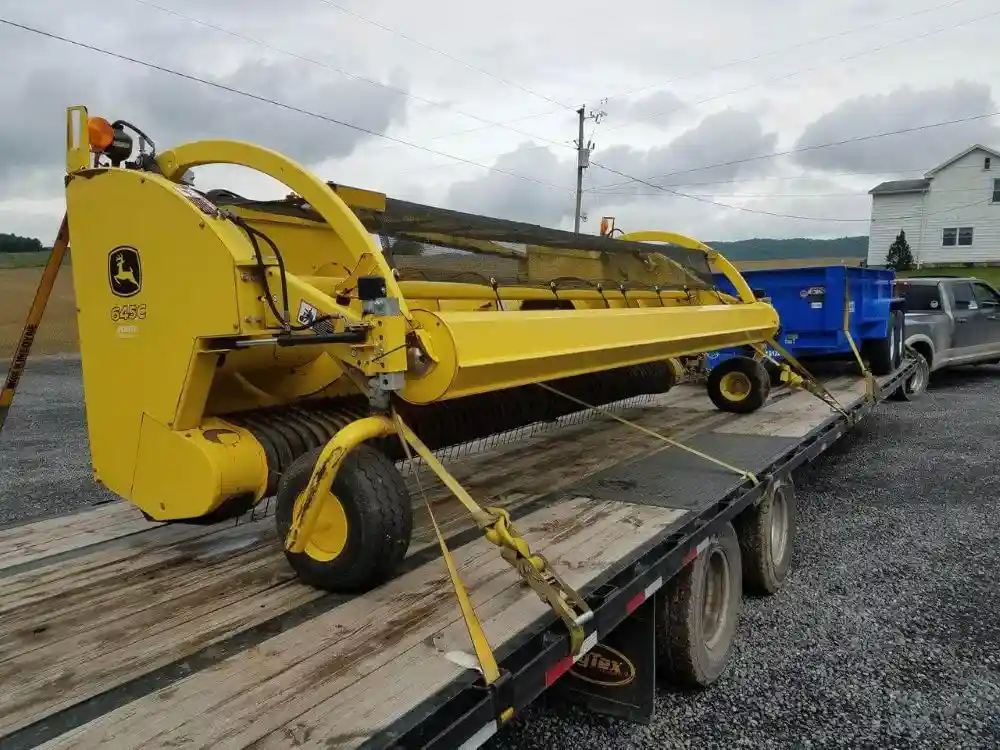
The Different Types of Harvesters
How to Get a Farm Equipment Loan
The Role of Transport in Sustainable Farming
Truck Transport and Hauling Companies in Agriculture

Everything You Need to Know About Growing and Planting Zones in Farming
SERVICES
All ServicesTractor Hauling
We ship heavy and oversized tractors nationwide and to every state, including Alaska and Hawaii.
Learn MoreTrailer Shipping
We offer the best trailer to ship your farm equipment from flatbeds, RGNs, step decks, and more.
Learn MoreLTL Shipping
Your smaller farm equipment can share trailer space with other transports, often lessening costs.
Learn MoreFarming and Agriculture Transport
We offer custom farming and agriculture equipment transport solutions.
Learn MoreDrive-Away
A driver will get behind the wheel of your vehicle or equipment and drive it to the delivery destination.
Learn MoreInternational Transport
Ship your farm equipment to Canada or Mexico. We also offer port-to-port options for overseas shipping.
Learn More
Need Personalized Help?
Our agriculture equipment specialists are ready to guide you through the transport process.
(877) 373-0109Popular Articles
USDA Growing Zone 2A and 2B: Farming, Equipment, and Transport Solutions
Everything You Need to Know About Growing Zone 1
What Are 3-Point Quick Hitch Attachments?