Safe. Secure. Always Reliable.
USDA Growing Zone 2A and 2B: Farming, Equipment, and Transport Solutions
USDA Growing Zone 2A and 2B: Farming, Equipment, and Transport Solutions
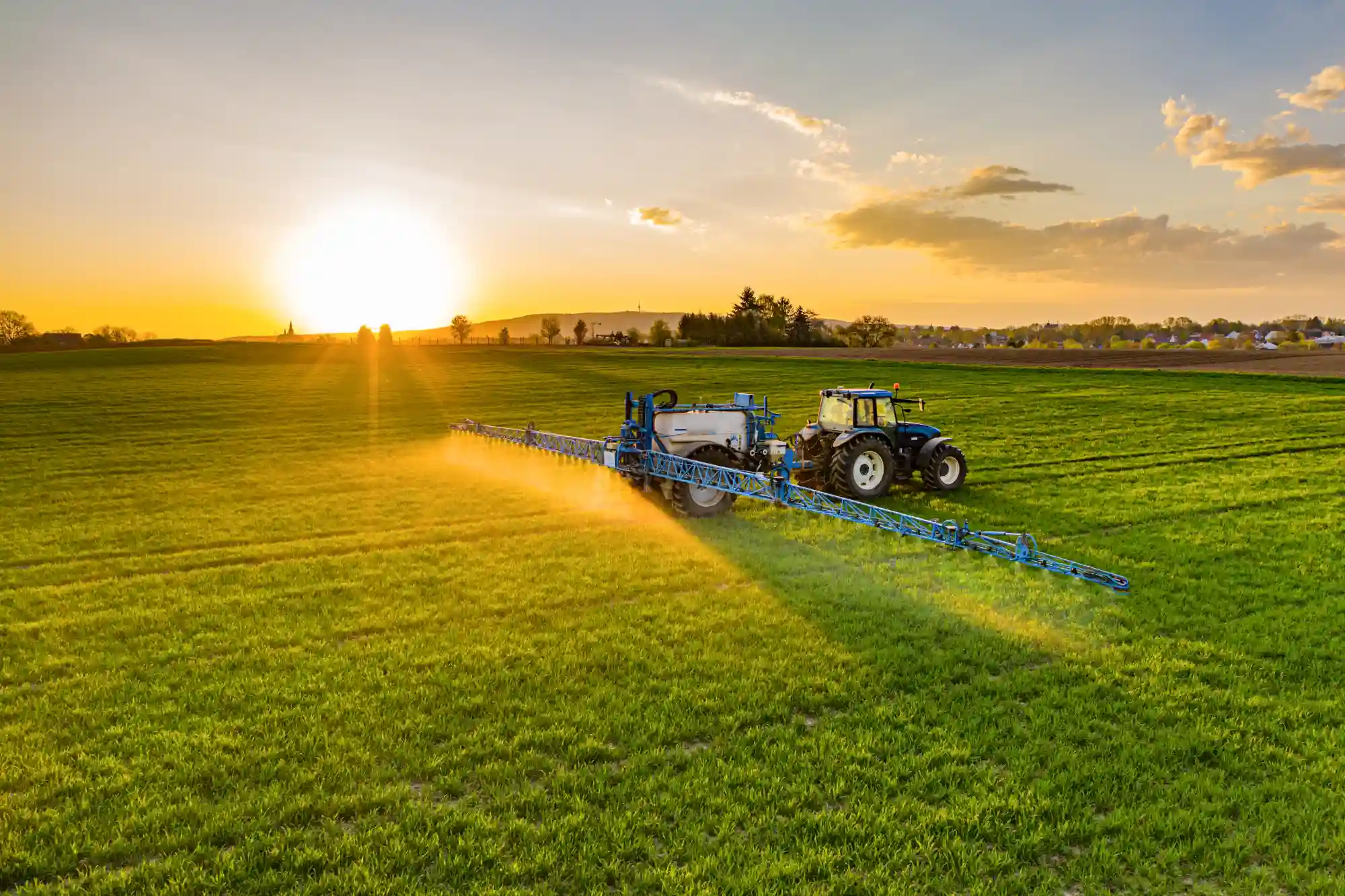
Farming in the coldest parts of the continental United States and Alaska takes more planning than most people ever see. USDA Growing Zones help you understand which crops can handle your climate, and Zones 2A and 2B sit near the bottom of that scale. Winter temps tend to drop below zero, soil takes its time warming up, and the growing season is short enough that every workable day matters.
In planting zones this cold, your equipment and timing matter just as much as what you put in the ground.
Working in these regions also means planning for transport long before the season opens. Roads can open or close without much warning, and some areas only allow heavy loads during set parts of the year. Lining up your haul early helps you avoid delays and keeps your equipment moving when conditions finally break.
Tractor Transport helps move your machinery into and out of these remote regions so you can stay on track during the tight weather windows you’re working with.

Understanding USDA Zone 2A and 2B
USDA Growing Zones are based on average annual minimum temperatures. They help you sort out which crops can survive your climate and how long your season realistically is.
- Zone 2A: −50°F to −45°F
- Zone 2B: −45°F to −40°F
These temperatures shape the ground you work with all year round. In Hardiness Zone 2, soil stays frozen deep into spring and refreezes early in fall. Warm afternoons help a little, but nighttime drops keep the ground cold and limit how much heat builds up. If you’re asking, “What is my USDA zone?”, the USDA farming zone map is the quickest tool to check where your land sits.
When you farm in these zones, you’re working around conditions like:
- Long winters followed by a slow spring thaw
- Cool nights even in midsummer
- Limited warmth affects whether a crop can reach maturity
- Open terrain where wind and drifting snow never stop
- Remote road access can slow down supply and equipment movement
Because many Zone 2 operations sit far from major highways, hauling equipment into these areas takes extra planning. Tractor Transport builds schedules around seasonal access, road restrictions, and the realities of farming in USDA Zone 2.
Where Zone 2A and 2B Are Found Across the U.S.
Zone 2A and 2B show up in places where latitude, elevation, or both push temperatures into extreme lows. Each state has its own quirks, but the challenges feel familiar once you’ve worked in this kind of cold.
Alaska (Zones 2A and 2B)
Interior and northern Alaska include some of the coldest planting zones in the country. Short summers still support hardy crops such as greens, potatoes, barley, and forage grasses. Many farms rely on greenhouses, hoop houses, and high tunnels to stretch the season.
Tractor Transport plans long-distance routes that reach ports, staging yards, and inland communities that need careful routing to access.
Minnesota (Zone 2A Far Northern Areas and 2B)
Northern Minnesota deals with long winters and short, cool summers. Potatoes, oats, and forage mixes are common. Equipment must start easily in cold weather and handle muddy spring ground.
Montana (Zone 2A High-Elevation Regions and 2B)
Mountain elevations bring longer freezes and tighter work windows. Hay, small grains, and hardy vegetables grow where terrain allows. Steep grades often influence trailer choice and load security.
North Dakota (Zone 2A Northern Pockets and 2B)
Northern North Dakota sees deep frost penetration, constant wind, and short growing windows. Barley, oats, and canola grow in some colder pockets. Many farms move equipment long distances between fields, making dependable hauling important.
Wyoming (Zone 2A High-Elevation Regions and 2B)
Thin air, low humidity, and long winters shape livestock-heavy operations. Loaders, hay tools, and feeding equipment must run reliably in cold conditions.
Colorado (Zone 2B High Elevations)
High-altitude areas rely heavily on protected growing structures and cold-tolerant crops. Rapid weather shifts and steep grades affect how and when equipment can move.
Idaho (Zone 2B Central and Northern Mountains)
Small fields, cool nights, and limited frost-free days define work here. Compact, versatile machinery fits the terrain best.
South Dakota (Zone 2B Black Hills Pockets)
Higher elevations deal with shorter seasons than the surrounding plains. Loaders, hay equipment, and feeding tools often move between seasonal pastures.
Utah (Zone 2B High-Altitude Areas)
Cold pockets develop in mountain valleys where overnight lows stay stubbornly cold. Hoop houses, cold frames, and hardy greens help farmers make use of the brief warm stretch.
Across all these states, state growing zones variations explain why conditions can shift within just a few miles. Terrain is often just as important as latitude. Tractor Transport hauls machinery through steep grades, tight passes, and winter routes where timing and experience matter.
The Challenges of Farming in Cold Zones
Zone 2 farming is shaped by cold weather, limited time, and equipment that has to be ready the moment conditions break. You’re constantly balancing weather, soil, and access.
In these zones, you’re often dealing with:
- Soil that stays frozen well into spring
- Frost heave that shifts planting beds
- A 45–70-day growing season that leaves no room for delays
- Few crop options because many varieties need more warm days
- Late spring frosts that threaten early starts
- Early fall frosts that shut things down quickly
- Batteries, hydraulics, and diesel engines that struggle with the cold
- Long distances to repair shops, fuel, and replacement parts
With windows this tight, equipment needs to be on your farm before the season starts. Tractor Transport builds hauls around road conditions, elevation, and weather patterns so machinery arrives when you need it — not after the workable days are gone.
Essential Farm Equipment for Zone 2 Farming
Equipment in Zone 2 has to run in cold weather, handle late snow, and make quick passes while the weather holds. Most farms in these zones stick with equipment that fires up in the cold and keeps moving when the weather turns.
Common equipment needs in Zone 2 include:
- Compact or mid-size tractors with heated cabs
- Insulated engine components for low-temperature starts
- Loaders, blades, and snow blowers for clearing access roads
- Cold-start diesel systems with block heaters or battery warmers
- Heavy-duty tillers and cultivators for shallow, slow-thawing soils
- Portable greenhouses, hoop houses, high tunnels, and irrigation pumps
- Batteries, hydraulics, and diesel engines that struggle with the cold
- Implements sized for quick work in short field windows
Winterization Steps for Zone 2 Equipment
Before hauling equipment into or out of Zone 2, you should take steps like:
- Protecting water systems with proper antifreeze
- Shielding hydraulics, hoses, and electrical lines
- Checking battery strength and glow plugs
- Setting cold-weather tire pressure
Tractor Transport coordinates prep needs before pickup so your equipment travels safely and arrives ready to work.

When You’re Ready to Ship,
We’re Ready to Help
We handle every step of your equipment transport safely, efficiently, and on schedule, so you can focus on what matters.
Types of Permits Required for Oversize Farm Equipment Hauling Through Zone 2A and 2B
Oversized equipment transport rules change from state to state, but most loads that exceed standard limits will require:
- Oversize permits for width, height, or length
- Overweight permits for heavy tractors or multi-piece hauls
- Escort or pilot cars on mountain roads or narrow routes
- Seasonal restrictions during spring thaw when axle weights are limited
Tractor Transport handles permits , routing checks, weather timing, and state-by-state requirements so your equipment moves legally and safely from start to finish.
Safety Steps Hauling Farm Equipment Through Snow in Zone 2
Snow and ice dictate how equipment has to be secured and moved. Drivers adjust their routine to match road conditions, terrain, and temperature changes.
On winter routes, drivers must focus on:
- Running full pre-trip inspections for brakes, tires, lights, and chains
- Confirming every securement point can handle the load
- Using the right chains or straps for the equipment being hauled
- Slowing down through mountain passes and icy stretches
- Allowing more room for stopping
- Watching road and weather updates throughout the trip
- Adjusting timing when storms or wind close roads
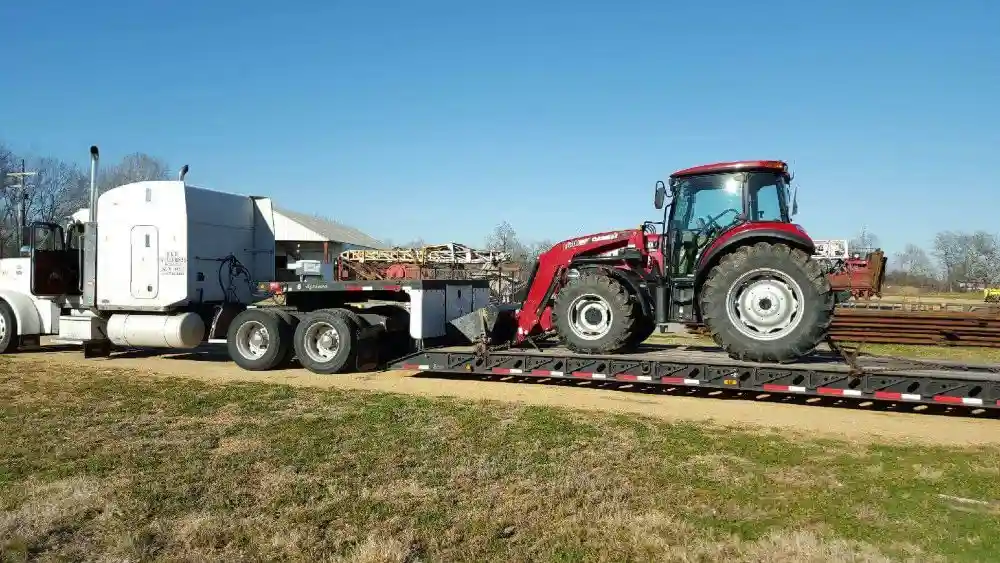
Tractor Transport uses carriers who understand how winter hauling works and know how to move heavy farm equipment safely through cold, remote regions.
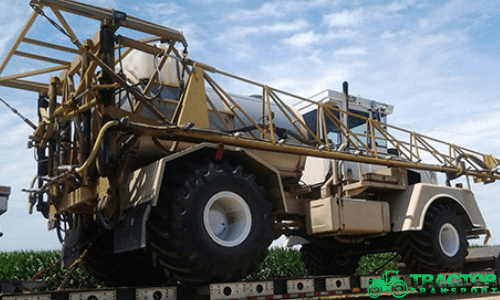

Partnering With Tractor Transport to Haul Your Equipment Throughout USDA Zone 2
When the weather finally turns, your season moves fast. That’s why Tractor Transport lines up the right trailer, plans the route around your location, and keeps you updated from pickup to delivery.
Working in USDA Zone 2 means timing matters, and having a reliable transport company in your corner helps keep your season running smoother from the start.
Contact us today and speak with a specialist who will help you schedule safe, on-time hauling for your equipment.
America’s Trusted Farm Haulers
Safely and reliably hauling farm equipment nationwide since 2009.
Frequently Asked Questions
What crops can reliably grow in USDA Zone 2’s short 45–70-day season?
Cold-tolerant, fast-maturing crops like potatoes, carrots, beets, kale, spinach, lettuce, hardy Asian greens, barley, oats, and select forage grasses.
How do farmers protect tractors and implements from extreme cold?
Most rely on block heaters or battery warmers, shield hydraulics and electrical systems, maintain proper tire pressure, and store machinery under cover when possible.
When is the best time to transport equipment in or out of Zone 2 regions?
Late spring after road limits lift or early fall before storms begin. Elevation and local weather often determine the best window.
Do Zone 2 operations require specialized machinery?
Yes. Cold-start diesel setups, heated cabs, insulated components, and winter-ready attachments help equipment work reliably in short weather windows.
How does choosing a reliable hauler help during narrow planting windows?
A dependable hauler delivers equipment on schedule, reduces downtime, avoids avoidable delays, and makes sure your machinery arrives ready to work.
POPULAR ARTICLES
USDA Growing Zone 2A and 2B: Farming, Equipment, and Transport Solutions
Everything You Need to Know About Growing Zone 1
What Are 3-Point Quick Hitch Attachments?
The Different Types of Harvesters
How to Get a Farm Equipment Loan
The Role of Transport in Sustainable Farming
Truck Transport and Hauling Companies in Agriculture
Everything You Need to Know About Growing and Planting Zones in Farming
SERVICES
All ServicesTractor Hauling
We ship heavy and oversized tractors nationwide and to every state, including Alaska and Hawaii.
Learn MoreTrailer Shipping
We offer the best trailer to ship your farm equipment from flatbeds, RGNs, step decks, and more.
Learn MoreLTL Shipping
Your smaller farm equipment can share trailer space with other transports, often lessening costs.
Learn MoreFarming and Agriculture Transport
We offer custom farming and agriculture equipment transport solutions.
Learn MoreDrive-Away
A driver will get behind the wheel of your vehicle or equipment and drive it to the delivery destination.
Learn MoreInternational Transport
Ship your farm equipment to Canada or Mexico. We also offer port-to-port options for overseas shipping.
Learn More
Need Personalized Help?
Our agriculture equipment specialists are ready to guide you through the transport process.
(877) 373-0109Popular Articles
USDA Growing Zone 2A and 2B: Farming, Equipment, and Transport Solutions
Everything You Need to Know About Growing Zone 1
What Are 3-Point Quick Hitch Attachments?